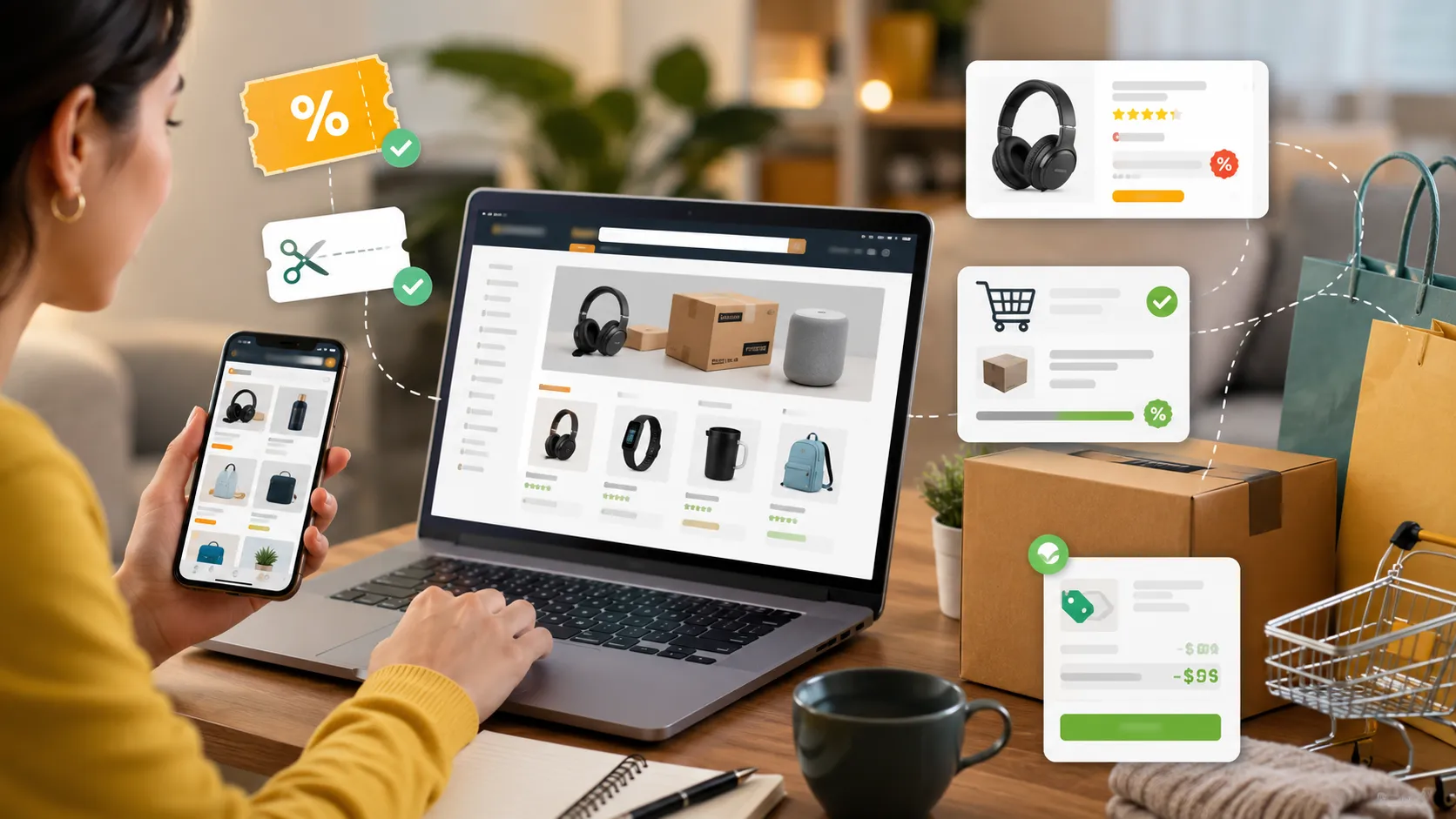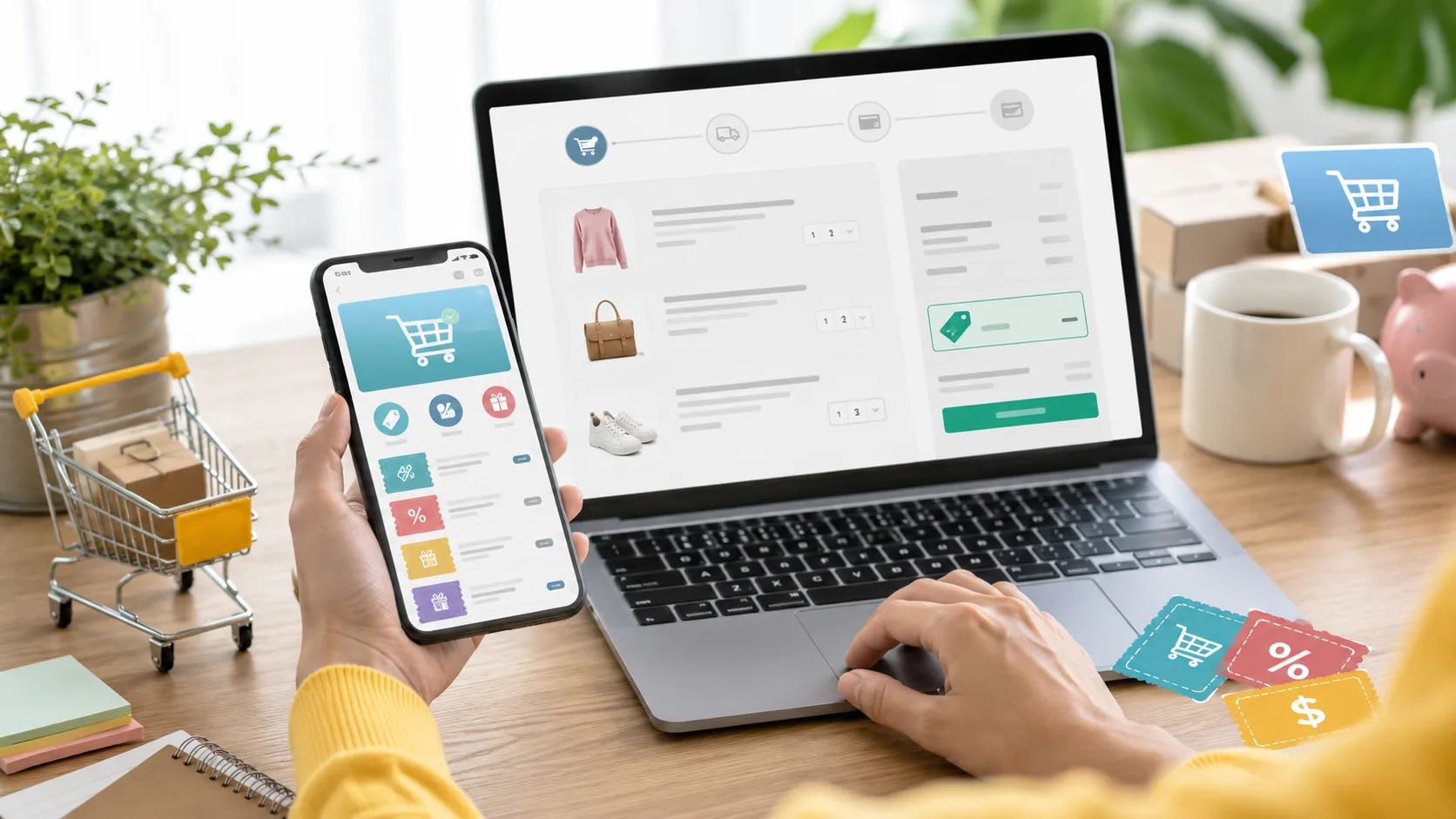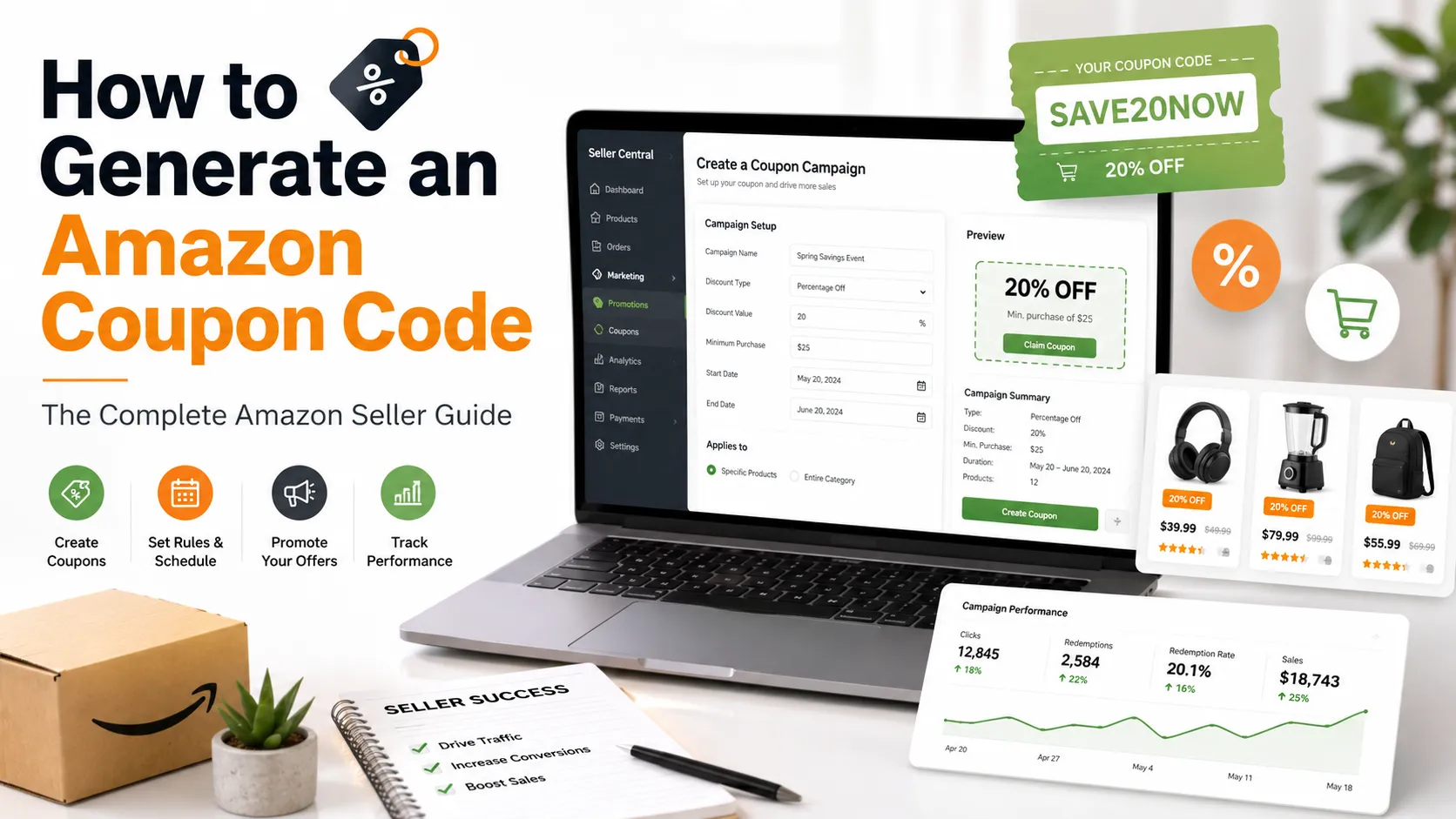

To create a coupon code, decide your marketing goal, choose a discount type, create a unique code, define usage rules, set an expiration date, test the coupon, and publish it through your website, email campaigns, or social media channels.
Coupons remain one of the most effective ways to attract new customers, increase sales, and encourage repeat purchases. This guide explains how to create coupon code from start to finish. It covers different coupon types, the rules you should set, common mistakes to avoid, and practical tips to build successful promotions.
How to Create Coupon Codes
Creating a coupon code is a simple process. You only need to focus on these steps to create an effective coupon code.
1. Define Your Promotion Goal
Your goal determines the type of discount you offer and how long the campaign should run. When your goal is clear, it becomes easier to measure whether the campaign succeeded.
Common marketing goals are:
Increase first-time purchases
Recover abandoned carts
Boost average order value
Clear seasonal inventory
Reward loyal customers
Promote a new product launch
Increase holiday sales
2. Choose the Right Discount Type
Select a discount that aligns with your business objectives and product margins. Different offers encourage different customer behaviors.
Consider your profit margins before choosing the discount amount. A larger discount may increase sales volume but reduce overall profitability.
3. Create a Simple Coupon Code
Your coupon code should be easy to read, remember, and type during checkout.
Examples include:
WELCOME10
SAVE20
SPRING25
FREESHIP
VIP15
THANKYOU10
Avoid long codes filled with random numbers because they increase typing errors and reduce customer confidence.
A short and branded code also performs better in email marketing and social media campaigns.
4. Set Coupon Rules
Coupon rules determine when and how customers can use the promotion. For example, a business may offer 20% off orders over $75 while limiting the coupon to one redemption per customer.
Typical coupon conditions include:
Minimum purchase amount
Eligible products
Eligible categories
New customers only
One use per customer
Maximum number of redemptions
Specific countries or regions
Combination restrictions with other discounts
5. Set an Expiration Date
Every coupon should have a clear expiration date unless it is intended as a permanent customer reward. Limited-time offers create urgency and encourage faster purchasing decisions. Adding a deadline also helps prevent outdated promotions from circulating online months after a campaign ends.
For example:
Weekend Sale
Black Friday Promotion
Holiday Discount
Anniversary Sale
Flash Sale
6. Test the Coupon Before Publishing
Testing ensures that customers receive the correct discount without checkout errors.
Before launching your promotion, verify that:
The coupon applies correctly.
Eligible products receive the discount.
Restricted products remain excluded.
Tax calculations remain accurate.
Shipping discounts work properly.
Mobile checkout accepts the coupon.
Expiration settings function correctly.
7. Publish and Promote Your Coupon
A coupon only generates sales when customers know it exists. Promote your offer through multiple marketing channels to maximize visibility. Track performance throughout the campaign so you can identify which marketing channels generate the highest redemption rates.
Popular promotion methods include:
Email newsletters
Website banners
Social media posts
SMS campaigns
Affiliate partners
Influencer collaborations
Loyalty programs
Coupon websites
Paid advertising
Different Types of Coupon Codes
Coupon codes come in several formats, and each one serves a different marketing purpose. Choosing the right type helps businesses achieve specific goals, such as attracting new customers, increasing average order value, or clearing excess inventory.
Below are the most common coupon types used by online businesses.
Percentage Discount Coupons
Percentage discounts reduce the total purchase price by a certain percentage. They work well for sitewide promotions and seasonal sales because customers immediately understand the value of the offer.
Example: SAVE20 gives customers 20% off eligible purchases.
Fixed Amount Coupons
These coupons subtract a specific dollar amount from the order total. They are especially effective for encouraging larger purchases when combined with a minimum spending requirement.
Example: Get $15 off orders over $100.
Free Shipping Coupons
Shipping costs are one of the leading reasons customers abandon online shopping carts. Free shipping coupons help remove this barrier and improve conversion rates. Many retailers combine free shipping with a minimum purchase threshold to protect profit margins.
Buy One Get One (BOGO) Coupons
BOGO promotions encourage customers to purchase additional products while increasing inventory turnover. These offers work particularly well for apparel, beauty, food, and household products.
Examples are:
Buy One Get One Free
Buy Two Get One Free
Buy One Get One 50% Off
First-Time Customer Coupons
Businesses often reward new customers with an introductory discount to encourage their first purchase. These promotions help reduce hesitation among first-time buyers.
Typical examples include:
WELCOME10
FIRST15
NEWCUSTOMER20
Loyalty and VIP Coupons
Loyalty coupons reward repeat customers with exclusive savings based on their purchase history or membership status. These campaigns help improve customer retention and lifetime value.
Examples include:
Birthday discounts
VIP-only promotions
Anniversary rewards
Member-exclusive sales
Category-Specific Coupons
Instead of applying discounts storewide, businesses can promote individual categories. Category promotions increase visibility for targeted product groups without reducing prices across the entire store.
Examples include:
25% off Shoes
15% off Electronics
Buy Two Beauty Products and Save 20%
Quick Comparison of Coupon Types
Where Can You Create Coupon Codes?
Most modern eCommerce platforms include built-in tools for creating coupon codes. These systems allow businesses to manage discounts without coding or advanced technical knowledge. The best platform depends on your business size, budget, and website infrastructure.
How to Set Effective Coupon Rules
You can set effective coupon rules by defining who can use the coupon, which products qualify, the minimum purchase amount, the number of allowed redemptions, and the expiration date. Coupon rules determine when a discount applies and who is eligible to receive it. By setting the right conditions, you can control promotional costs while creating a smooth shopping experience.
Minimum Purchase Requirement
Require customers to spend a certain amount before the coupon becomes valid. This strategy encourages larger purchases and increases average order value.
Example:
Spend $75 and save $15.
Spend $100 for free shipping.
Eligible Products or Categories
Limit discounts to selected products if needed. Product restrictions help maintain healthy profit margins.
Examples include:
Shoes only
Accessories only
Clearance products excluded
Customer Eligibility
Some promotions should only apply to specific customer groups.
Examples include:
First-time buyers
Returning customers
Loyalty members
Email subscribers
Students
Military personnel
Targeted promotions often generate higher conversion rates than general discounts.
Usage Limits
Control how frequently a coupon can be redeemed.
Common options include:
One use per customer
Unlimited use
First 500 customers
Maximum 1,000 redemptions
Usage limits prevent abuse and help manage promotional costs.
Campaign Duration
Every coupon campaign should have a defined start and end date.
For example:
A clear deadline creates urgency and encourages faster purchasing decisions.
How to Test a Coupon Code Before Launching
Testing confirms that your coupon works exactly as intended before customers begin using it. A thorough review helps prevent checkout problems, pricing errors, and negative shopping experiences.
Even a small mistake can lead to abandoned carts, customer complaints, or unexpected revenue loss.
Use the following checklist before publishing your promotion.
Testing on multiple devices and browsers provides additional confidence before your campaign goes live.
Best Practices for Creating Coupon Codes
Successful coupon campaigns balance customer value with business profitability. Following proven practices can improve redemption rates while protecting your margins.
Match the Coupon to Your Goal
Every promotion should support a measurable objective.
For example:
Choosing the right coupon type increases the likelihood of achieving your desired results.
Create a Sense of Urgency
Limited-time offers encourage customers to act sooner rather than postponing their purchase.
Examples include:
Ends Tonight
Weekend Only
48-Hour Sale
Limited Stock
Last Chance
Urgency should always be genuine and supported by a real expiration date.
Promote Coupons Across Multiple Channels
Customers discover promotions in different ways. Sharing coupon codes through several marketing channels increases visibility and redemption opportunities.
Effective channels include:
Email newsletters
Website banners
Blog articles
Social media
SMS marketing
Affiliate partners
Influencer campaigns
Customer loyalty programs
A multi-channel approach reaches more potential buyers.
Monitor Performance
Tracking campaign performance helps improve future promotions.
Useful metrics include:
Redemption rate
Conversion rate
Average order value
Revenue generated
New customer acquisition
Repeat purchase rate
Analytics provide valuable insights into customer behavior and campaign effectiveness.
Keep Coupon Terms Clear
Customers should understand every condition before attempting to use a coupon.
Include details such as:
Expiration date
Eligible products
Minimum purchase
Usage limits
Exclusions
Clear communication reduces confusion and improves customer satisfaction.
Common Mistakes to Avoid When Creating Coupon Codes
Many coupon campaigns fail because of avoidable planning mistakes. Identifying these issues early helps businesses create more successful promotions.
Large discounts may increase sales but can reduce profit margins significantly.
An untested coupon may fail during checkout or apply incorrect discounts.
Making Coupon Codes Too Complicated
Long or confusing codes increase typing mistakes and discourage customers.
Some shoppers attempt to reuse coupons or combine multiple promotions.
Total redemptions
Running Promotions Too Frequently
Customers may delay purchases if they expect another discount next week.
Without campaign reporting, businesses cannot determine whether a promotion achieved its goals.
Benefits of Creating Coupon Codes
Coupon codes provide measurable advantages for both businesses and customers. When planned carefully, they increase sales while strengthening customer relationships.
The table below summarizes the primary benefits.
How to Measure Coupon Campaign Success
You can measure the success of a coupon campaign by tracking key performance metrics that show how customers respond to your offer. These insights help you determine whether the campaign increased sales, attracted new customers, or improved overall profitability.
Reviewing campaign data after each promotion allows you to refine future discounts and invest in strategies that deliver the best results.
Key Metrics to Track
Conclusion
Learning how to create coupon code is an essential skill for any business that wants to attract customers, increase conversions, and build long-term loyalty. An effective coupon strategy starts with a clear objective, uses the right type of discount, and includes well-defined rules that protect your profit margins while delivering real value to shoppers.
Successful coupon campaigns go beyond offering discounts. They rely on thoughtful planning, thorough testing, strategic promotion, and continuous performance analysis. By tracking metrics such as redemption rate, conversion rate, average order value, and return on investment, you can understand what works and optimize future campaigns for even better results.
FAQs
How do I create my own coupon code?
To create your own coupon code, choose your promotion goal, decide on the discount type, create a simple and memorable code, set eligibility rules, define an expiration date, test the coupon, and publish it through your preferred marketing channels.
Can I create coupon codes for free?
Yes. Most eCommerce platforms, including Shopify, WooCommerce, Wix, and BigCommerce, include built-in coupon creation tools at no additional cost. Some third-party marketing tools also offer free coupon management features.
What is the best format for a coupon code?
The best coupon codes are short, easy to remember, and related to the promotion. Examples include SAVE20, WELCOME10, or FREESHIP. Avoid long codes with random letters and numbers because they increase typing errors.
What types of discounts can I offer with a coupon code?
You can offer percentage discounts, fixed dollar discounts, free shipping, Buy One Get One (BOGO) promotions, first-order discounts, category-specific offers, loyalty rewards, and limited-time seasonal deals.
How long should a coupon campaign last?
The ideal campaign length depends on your goal. Flash sales may last 24 to 48 hours, while seasonal promotions often run for one to two weeks. Evergreen welcome coupons can remain active year-round for new customers.
Can a coupon code be used more than once?
Yes, if you configure it that way. You can allow unlimited use, limit it to one redemption per customer, or set a maximum number of total uses based on your campaign objectives.
What's the difference between a coupon code and an automatic discount?
A coupon code requires customers to enter a code during checkout to receive the discount. An automatic discount applies the savings without requiring any action from the customer. Coupon codes are often better for targeted promotions, while automatic discounts create a smoother checkout experience.
Why isn't my coupon code working?
A coupon code may not work because it has expired, reached its usage limit, does not apply to the selected products, requires a minimum purchase amount, or was entered incorrectly. Always review the promotion's terms and conditions before using a coupon.
Do coupon codes help increase sales?
Yes. Well-planned coupon campaigns can improve conversion rates, reduce cart abandonment, attract new customers, increase average order value, and encourage repeat purchases. Their effectiveness depends on the discount strategy, campaign timing, and promotional channels used.
What are the best practices for creating coupon codes?
Create short and memorable coupon codes, use realistic discount values, define clear usage rules, set expiration dates, test every coupon before launch, and monitor campaign performance to improve future promotions.
Noman
Content WriterNoman Ghaffar is the CEO of CouponsBeast, a leading platform for online deals and discounts. He has extensive experience in digital marketing and e-commerce. Under his leadership, the company has grown rapidly, helping users save money through smart deals. His vision is to make online shopping more affordable and accessible for everyone
Comments 0
No comments yet. Be the first to share your thoughts!